Saluting Faculty Veterans in Supply Chain and Business Analytics
Opus College Heroes
Opus College of Business proudly recognizes the service of our faculty members who have served in the military or on active-duty service. These dedicated educators bring years of experience, leadership, and a strong transferrable skillset into the classroom. Meet some of our Opus College faculty with military experience shaping the way they teach supply chain, business analytics, and operations today.
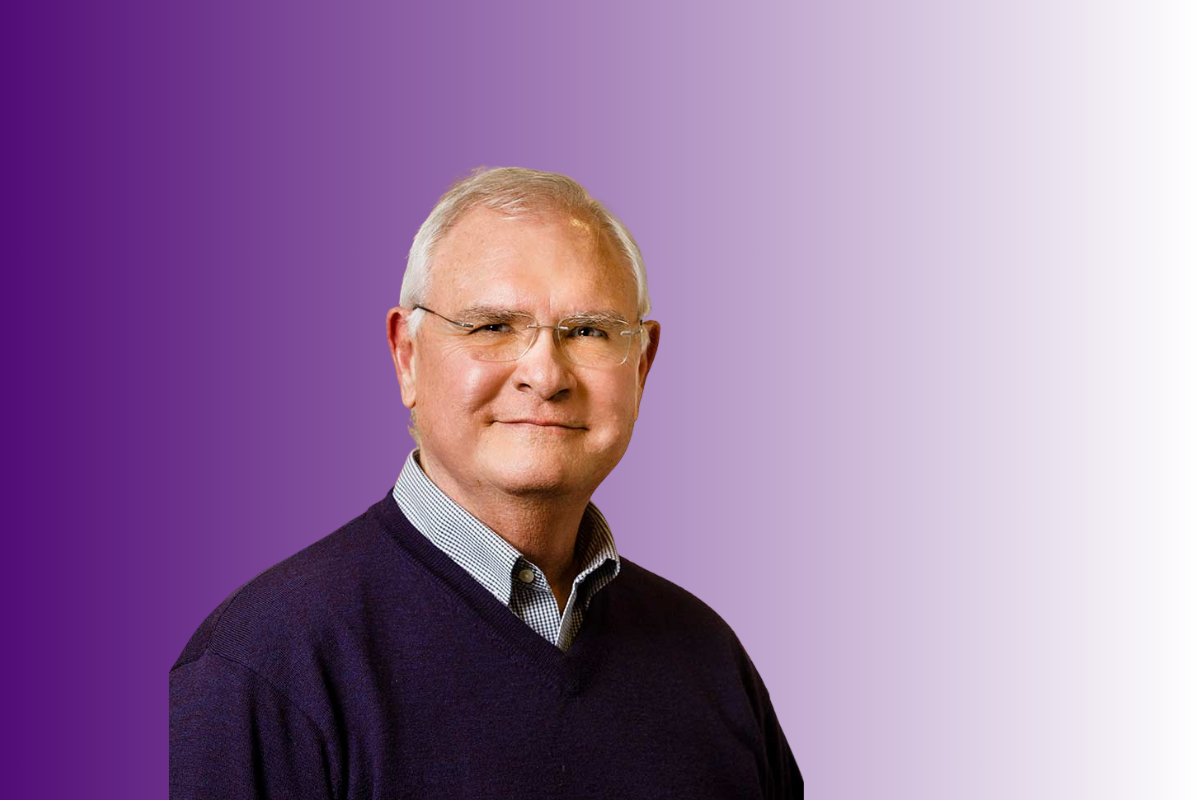
Associate Professor, Operations & Supply Chain Management; U.S. Air Force Veteran
Bill Raffield
Bill Raffield is among the millions of veterans who have served their country with pride and honor. As an officer in the U.S. Air Force, he planned and evaluated instructional systems for the military’s intercontinental ballistic missiles program during the Vietnam War.
After being promoted to captain, he worked as a combat crew commander and weapons system instructor where he discovered his strengths of being detail-oriented and staying composed under pressure—valuable skills he has used in both his civilian career and working in higher education.
After leaving the USAF, he found that the military skills he developed in analyzing and solving problems directly transferred to his responsibilities in business. He was fascinated by the process of supply chain and logistics, and after 8 years of working, he set his eyes on another goal: teaching.
Raffield’s key focus in teaching supply chain and operations is to help his students apply course concepts in real-world scenarios. In his final OSCM capstone class, he likes to share some of the lessons he’s carried forward from his military service more than 45 years ago. “When you look in the mirror,” he asks his students, “do you see the person you want to be?”

Distinguished Service Professor, Business Analytics & Supply Chain Management; U.S. Navy Veteran
Scott Martens
Scott Martens found his love for teaching as an S-3B Viking flight instructor during the Gulf War, training replacement pilots for the fleet. “I love teaching as it is a means to help people achieve their goals, dreams, and aspirations,” he said. “I'm a firm believer in sharing and transferring knowledge.”
His joy of coaching others 25,000 feet in the air has carried over into a 20+ year career in higher education, teaching supply chain and operations to thousands of students locally in the Twin Cities.
In his role at Opus College, Martens bridges academia and the business world, recruiting students and veterans, building relationships with senior leaders in business analytics and supply chain across the Twin Cities, and partnering with them on real-world capstone projects for his courses that deliver real business value.
“Because of those relationships I have an extensive network,” he said. “I love to work with both our veteran and nonveteran populations to connect them to leaders as they look for their next opportunity.”
Martens sees supply chain and business analytics as a natural fit for those with a military background. Drawing from his experience in the U.S. Navy, he emphasizes the shared skills of data-driven decision making, adaptability, and contingency planning in both the military and businesses. "Making data-based decisions is the heart and soul of supply chain and business analytics.”
Working in a challenging dynamic environment half a world away also means coming up with creative solutions to keep operations going. "We’re constantly coming up with contingency plans so that you’re prepared for any unexpected issue that comes up," Martens said. "Those same decision-making skills and adaptability we possess as military leaders are needed within the supply chain discipline at companies."

Adjunct faculty, Operations & Supply Chain Management; Air Force Veteran
Jonathan Carter
Jonathan Carter’s formative years in the military were made when he was stationed in Alaska working in medical logistics after graduating high school. The long, dark winters brought his friends and colleagues together, teaching him how to work with diverse groups of people and helping him become a leader.
After college, he returned to active duty as a Logistics Readiness Officer where he was introduced to the exciting challenges of distribution, transportation, fleet management, and deployment planning. His career allowed him to work with the other armed services across the world. “All those experiences involved working well across diverse teams, knowing and representing what you and your organization bring to the mission, and at the end of the day, getting the mission accomplished.”
As an adjunct faculty now teaching supply chain and operations, Carter sees the Supply Chain Management program at Opus College as a natural fit for military-veteran students because of the skills they already gained.
“To be successful in supply chain, you must manage projects, problem-solve to get things done, and build a team,” he said. “The minute you step into basic training, you start training on how to manage projects, problem solve, and team building. These skills apply to everything from working as a supply chain analyst to running operations for a distribution center.”
After 24 years in the Air Force, Carter understands the challenges military-veteran students face in the transition process and acknowledges his role in supporting them. "Since many classes are taught by Veterans," he said, "we understand your perspective and can help fill any gaps in your background with educational opportunities and experiences."

Adjunct faculty, Business Analytics; U.S. Marine Corps Officer
Ralph Asher
Ralph Asher brings years of leadership experience to Opus College, having managed Marine Corps Recruiting operations in Indiana and leading technical teams from 12 to over 100 as a Communications Officer. He currently serves in the Marine Innovation Unit as a reservist. “These experiences taught me fundamentals of leadership, instructing small groups, and problem-solving skills—all of which are relevant throughout my career today.”
After completing his MS in Operations Research near the end of his active-duty service, he spent the next decade working in supply chain analytics—a fast-changing field that aligned with his military background of solving problems and leading teams. “Team orientation is important for success in any career but particularly beneficial in analytics where you need to work with and through your peers and stakeholders," he said.
When he's not tackling sticky supply chain problems with data science and AI, Asher teaches Decision Analysis (OPMT 320) at Opus College. Military service is largely about problem-solving in ambiguous situations, and in his coursework, he emphasizes that data and analytics are important tools in making decisions and drawing conclusions. “There are few careers that are more oriented around problem-solving and teamwork than supply chain and business analytics.”

Adjunct faculty, Operations & Supply Chain Management
Danielle Hansen
Danielle Hansen has strong proud ties to the military—her father was a Captain in the Airforce, flying C130s. “Growing up in a military family, I have always had a strong appreciation for the military and those who serve our country,” she said.
With over 19 years of experience as a seasoned leader in global supply chain, she brings practical insights into the strategic and leadership challenges often faced by military personnel. “Supply chain deals with topics such as strategy, leadership, and risk mitigation,” she said. “Military leaders are dealing with these same topics and are able to directly implement these skills into supply chain careers.”
These topics are also emphasized in the supply chain, negotiation, and leadership courses she teaches at Opus College. In one course, students explore negotiation concepts through a hands-on approach. Military leaders often engage in high-stakes negotiations, whether in diplomatic missions or strategic planning. Both instances require an understanding of the dynamics of power and ethics in decision-making.
Hansen sees the supply chain management programs at Opus as an ideal match for prospective students with a military background. “Many of our military leaders bring real-world experience to their studies in supply chain. Whether it be military supply chains, risk mitigation, or looking at employing strategies, these students bring ample knowledge and skill along with the rigor of their military training to a whole new level.”